




Category: First People
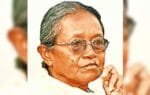
रोज केरकेट्टा की स्मृति में आदिवासी स्त्री लेखन के लिए 25,000 रुपये के साहित्यिक सम्मान की घोषणा
रांची, 20 सितंबर, 2025: आदिवासी स्त्री लेखन को प्रोत्साहित करने के उद्देश्य से एक नए राष्ट्रीय साहित्यिक सम्मान की घोषणा आज यहाँ की गई। प्यारा केरकेट्टा फाउंडेशन द्वारा स्थापित यह सम्मान प्रतिष्ठित शिक्षाविद्, साहित्यकार और झारखंड आंदोलनकारी रोज केरकेट्टा की स्मृति में दिया जाएगा। फाउंडेशन की अध्यक्ष ग्लोरिया सोरेंग और सचिव वंदना टेटे ने एक…

ओडिशा के पूर्व विधायक जॉर्ज तिर्की का निधन, विधानसभा ने दी श्रद्धांजलि
भुवनेश्वर: ओडिशा के सुंदरगढ़ जिले की बीरमित्रपुर सीट से चार बार विधायक रहे वरिष्ठ आदिवासी नेता जॉर्ज तिर्की का शनिवार तड़के निधन हो गया। वह 67 वर्ष के थे और पिछले तीन माह से बीमार चल रहे थे। उनका एक निजी अस्पताल में इलाज चल रहा था, जहाँ रात करीब एक बजे उन्होंने अंतिम सांस…
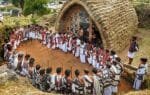
कर्नाटक में कुरुबा समुदाय को ST दर्जा देने पर विवाद तेज
कर्नाटक की राजनीति इस समय एक नए विवाद में उलझी हुई है। राज्य की बड़ी आबादी वाले कुरुबा समुदाय को अनुसूचित जनजाति (ST) का दर्जा देने का प्रस्ताव मुख्यमंत्री सिद्धारमैया आगे बढ़ा रहे हैं। लेकिन इस कदम का वाल्मीकि और नायक समुदाय कड़ा विरोध कर रहा है। उनका तर्क है कि इससे पहले से ही…
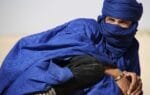
The Tuareg Exception: Where Men Veil and Women Lead in the Islamic World
The image is ubiquitous: a woman shrouded in a veil, her life and choices constrained by a patriarchal interpretation of faith. To much of the outside world, “Islamic culture” is synonymous with the suppression of women’s rights, a monolithic entity where female voice and agency are systematically silenced. This stereotype, repeated in global media and…
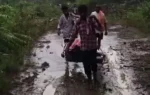
Roadside Deliveries in the 4th Largest Economy: The Plight of Tribal Women in India
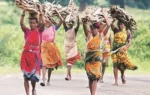
India, now counted among the world’s top four largest economies, celebrates its rapid industrial growth, space exploration milestones, and digital revolution. Yet, behind this image of progress lies a harsh reality: tribal and marginalized women in many parts of the country are still forced to deliver babies on roads, forest paths, and makeshift stretchers due…
Development’s Shadow: How Projects in Karnataka Threaten Adivasi Land
On August 9, a signboard appeared outside the Nanachi gate of Karnataka’s Nagarahole Tiger Reserve. It read simply: “You are entering our ancestral land, respect it.” The board, put up by Adivasi residents of Virajpet taluk in Kodagu district, coincided with World Indigenous Day. Its message was clear—an assertion of rights over land and forests,…
The Kalasha: Pakistan’s Beautiful Ancient Tribe on the Brink of Extinction
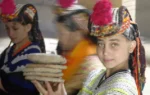
The Kalasha (or Kalash) are a unique Dardic indigenous people residing in three remote valleys of the Hindu Kush mountains in Pakistan’s Khyber-Pakhtunkhwa province: Bumburet, Rumbur, and Birir. Often called “Pakistan’s Pagans,” they are renowned for their vibrant culture, ancient polytheistic religion, and distinct identity, which stands in stark contrast to the predominantly Muslim population…
शंकर शाह मरावी और रघुनाथ शाह मरावी : गोंडवाना के बलिदानी वीर
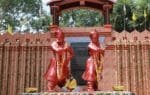
भारत का स्वतंत्रता संग्राम केवल 1857 की लड़ाई या बाद के राष्ट्रीय आंदोलनों तक सीमित नहीं था। इसकी जड़ें बहुत गहरी थीं, जिनमें आदिवासी और स्थानीय शासक अपने-अपने ढंग से अंग्रेजी सत्ता का विरोध कर रहे थे। इन भूले-बिसरे नायकों में शंकर शाह मरावी और उनके पुत्र रघुनाथ शाह मरावी का नाम अत्यंत महत्वपूर्ण है।…
United Nations Declaration on the Rights of Indigenous Peoples: A Global Framework for Justice
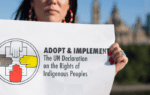
On 13 September 2007, after decades of struggle and negotiation, the United Nations General Assembly adopted the Declaration on the Rights of Indigenous Peoples (UNDRIP). For the world’s First Peoples, this was not just another UN document—it was a recognition of survival, dignity, and justice after centuries of colonization, land dispossession, and cultural erasure. Although…
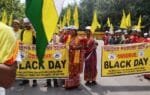
Kurmi ST Controversy: Identity, Politics, and the Fear of a “Second Manipur”
The demand of the Kurmi community for Scheduled Tribe (ST) status has re-ignited one of the most sensitive debates in eastern India. Spread across Jharkhand, West Bengal, and Odisha, Kurmis identify themselves as an indigenous community, historically linked with agriculture and rural life. Yet, their exclusion from the ST list after independence continues to shape…