




Imagine introducing a Canadian as an American or calling a Ukrainian Russian. Even if the mistake is unintentional, it can be deeply offensive because it ignores a nation’s unique history and identity. For many Irish people, being called “English” carries a similar weight.
Although Ireland and England are close neighbors separated by the Irish Sea, they are not the same country, nor are their people the same. The Irish and the English have distinct cultures, languages, traditions, and national identities. More importantly, their relationship has been shaped by centuries of conquest, resistance, colonization, and political conflict.
The discomfort many Irish people feel when they are called English is not based on simple nationalism. It is rooted in nearly 800 years of history, during which Ireland experienced repeated military invasions, English rule, religious discrimination, land confiscations, famine, and a long struggle for independence. Understanding this history helps explain why identity remains such an important issue in Ireland today.
Who Are the Irish?
The Irish people are the indigenous people of the island of Ireland. Most live in the Ireland, while others live in Northern Ireland or in Irish communities across the world.
Irish identity is built around a shared history, traditions, literature, music, and the ancient Gaelic culture. Although English is now the primary language spoken across Ireland, the Irish language remains an official language and an important symbol of national heritage.
Who Are the English?
The English people are the people of England, one of the four nations that make up the United Kingdom, alongside Scotland, Wales, and Northern Ireland.
Despite geographical proximity, England and Ireland have evolved as separate nations with different political histories, cultural traditions, and identities.
Why Is Being Called English Offensive?
For many Irish people, being called English feels like their own national identity is being erased. The reason lies in history.
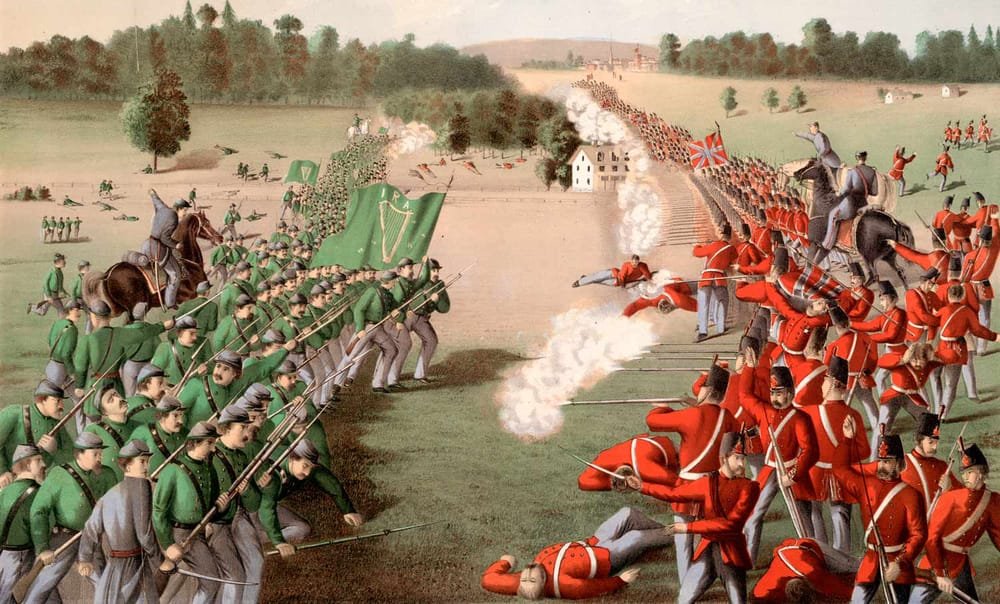
Beginning with the Norman invasion of Ireland in 1169, English rulers gradually expanded their control over Ireland. Over the following centuries, Irish communities experienced military campaigns, confiscation of land, restrictions on religion and language, and repeated efforts to suppress Irish political independence.
As a result, the word “English” can remind many Irish people of colonial rule rather than simply describing nationality.
How Many Wars Did Ireland and England Fight?
There was not one single war but a long series of conflicts spanning almost eight centuries.
Among the most significant were:
- The Norman invasion of Ireland
- The Tudor conquest of Ireland
- The Nine Years’ War
- The Cromwellian conquest of Ireland
- The Williamite War
- The Irish Rebellion of 1798
- The Easter Rising
- The Irish War of Independence
- The Troubles
Historians generally describe these as dozens of wars, rebellions, and uprisings rather than a single continuous conflict.
The Great Irish Famine
One of the darkest chapters in Irish history was the Great Famine.
A devastating potato disease destroyed the country’s main food crop, leading to the deaths of around one million people and forcing another one million to emigrate.
Many historians argue that British government policies failed to adequately respond to the humanitarian crisis and, in some cases, worsened its effects. The famine continues to shape Irish historical memory and national identity.
Ireland’s Independence
After the Irish War of Independence, most of Ireland gained self-government in 1922 as the Irish Free State, which later became the Republic of Ireland.
However, six counties in the northeast remained part of the United Kingdom as Northern Ireland, creating a political division that continues today.
The Troubles
From the late 1960s until the Good Friday Agreement in 1998, Northern Ireland experienced a violent conflict known as The Troubles.
The conflict involved Irish republican groups seeking reunification with Ireland, loyalist groups wishing to remain part of the United Kingdom, and British security forces. More than 3,500 people lost their lives before a peace agreement brought a substantial end to the violence.
Are Irish and English the Same?
The answer is simple: No.
The Irish and the English are two different peoples with different national identities, histories, and cultural traditions. While both countries share close economic ties today and many people on both sides enjoy friendly relations, their historical experiences remain very different.
Today, Ireland and the United Kingdom maintain strong diplomatic and economic relations, and millions of people travel freely between them. Yet history continues to shape identity.
For many Irish people, being called English is not merely a factual mistake—it overlooks centuries of struggle, resistance, and the development of a distinct national identity. Respecting that difference is not only historically accurate but also a sign of cultural understanding.