


Kohima, December 1:
Nagaland on Monday inaugurated the 26th edition of the Hornbill Festival, one of India’s largest cultural events, at the Kisama Heritage Village near Kohima. The 10-day festival, often described as the “Festival of Festivals,” brings together all major Naga tribes on a single platform to showcase their rich cultural heritage through traditional dances, music, crafts, and cuisine.
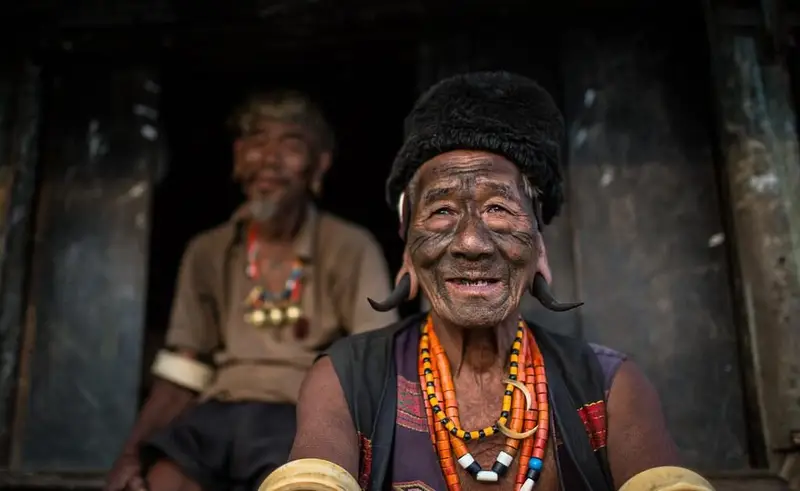
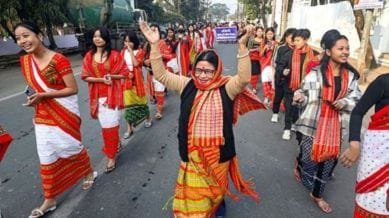
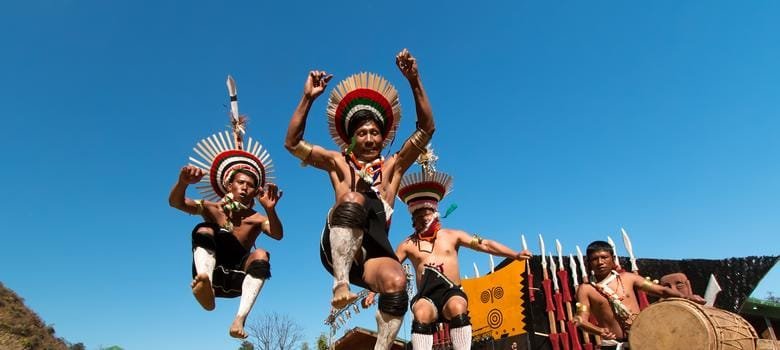
Chief Minister and several tribal leaders jointly opened the event with a traditional blessing ceremony, followed by a vibrant parade featuring performers from Angami, Ao, Sumi, Lotha, Phom, Chang, Konyak, Rengma, Zeliang, Chakhesang and other communities.
A Festival Rooted in Identity
Launched in 2000, the Hornbill Festival was conceptualised to promote, document and preserve the fast-changing cultural landscape of Nagaland. Named after the revered hornbill bird—an iconic symbol in Naga folklore—the festival aims to strengthen the collective cultural identity of more than 16 major tribes and numerous sub-tribes in the State.
Officials say the festival has become a crucial annual platform for tribal communities to revive and perform traditional dances, folk songs, indigenous games, wood carving, bamboo crafts and textile weaving techniques.
“This festival is not only about cultural display but about reconnecting with our roots, especially for the younger generation,” a senior cultural officer said.
Tourism and Economic Boost
The Hornbill Festival has evolved into one of India’s most popular winter tourism events, drawing visitors from across the country and abroad. Hotels, homestays and local markets in and around Kohima witnessed high occupancy and brisk business on Day 1.
According to the Tourism Department, the festival attracts over one lakh visitors every year, significantly boosting the local economy. Artisans, weavers, farmers and micro-entrepreneurs rely heavily on the 10-day event for annual income.
The festival grounds at Kisama feature:
Handloom and handicraft stalls
Organic farm products and tribal spices
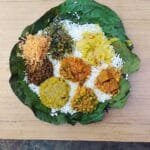
Traditional food courts
Music and rock shows
Indigenous sports such as Naga wrestling and traditional archery
The popular Hornbill International Music Festival, which includes performances by regional and international artists, is also set to take place this week.
Inter-Tribal Unity and Cultural Diplomacy
Beyond tourism, the Hornbill Festival plays an important role in promoting inter-tribal harmony. Historically, Naga tribes had complex socio-political relations and rivalries. The festival provides a rare space for communities to celebrate shared heritage and foster unity.
In recent years, the government has used the event to deepen cultural diplomacy, inviting Indigenous groups from Southeast Asia, Africa and Europe. Cultural teams from Thailand, Japan and Kenya are expected to participate in this year’s edition as well.
“This platform helps Nagaland engage globally through culture, art and Indigenous solidarity,” a government representative said.
Voices from the Festival Grounds
Visitors described the energy at Kisama as “electric,” with hundreds of performers in traditional attire showcasing warrior dances, harvest rituals and ceremonial chants.
“I’ve travelled from Delhi for this. The diversity and authenticity here are unlike anything else in India,” said Pratik Singh, a tourist.
Local artisans say the festival provides exposure that they rarely get elsewhere. “This is the only time in the year when our weaving sells in such large numbers,” said a Lotha weaver from Wokha.
A Living Museum of Indigenous Culture
As debates on Indigenous identity, cultural preservation and environmental protection continue globally, Nagaland’s Hornbill Festival stands out as a model of how communities can revive and sustain heritage in a modern, fast-changing world.
For Nagaland, the festival is more than an annual celebration—it is a statement of identity, resilience and pride.