



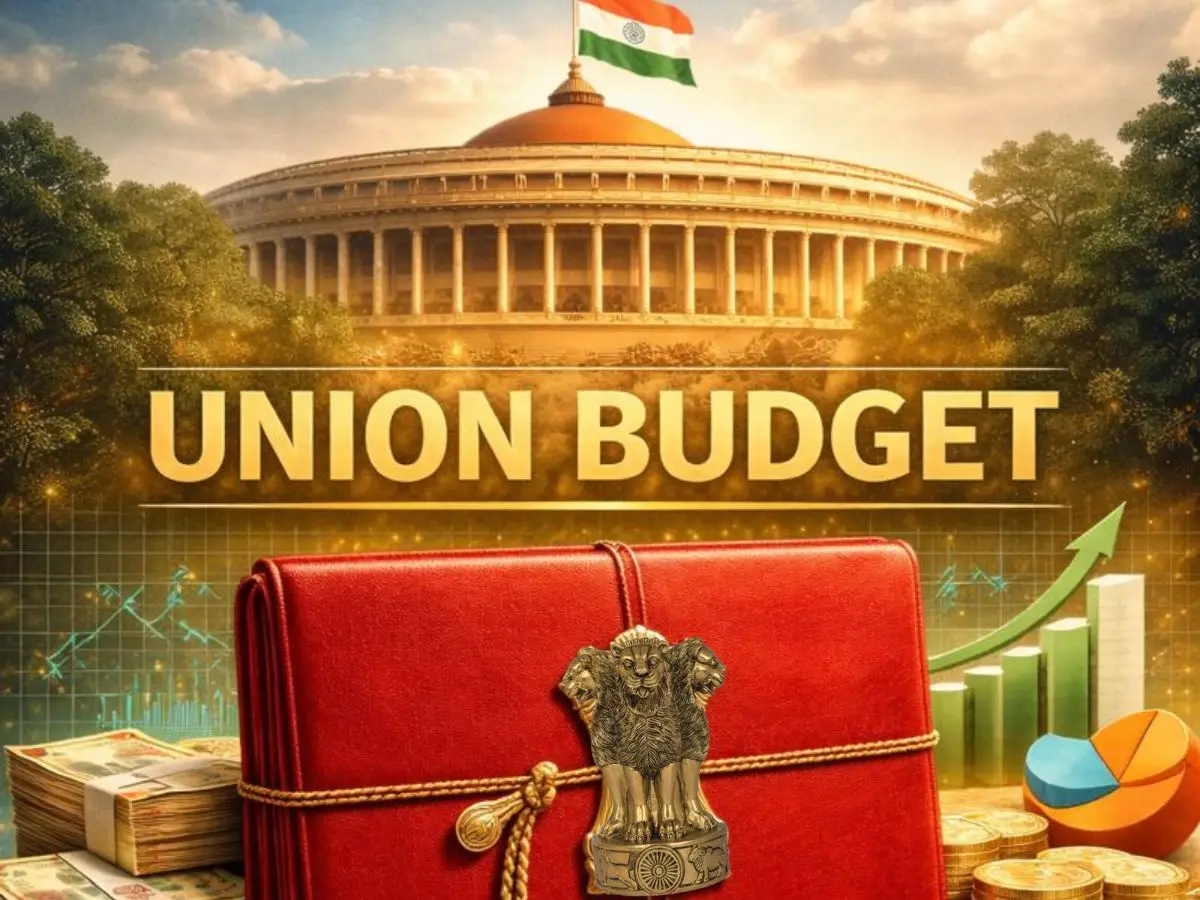
On 1 February 2026, India’s Finance Minister Nirmala Sitharaman presented the Union Budget 2026-27, outlining the government’s fiscal priorities for the coming year. A central theme of this budget is inclusive development, with specific provisions aimed at supporting tribal communities (Scheduled Tribes). While several allocations reflect a continued commitment to tribal welfare, there are concerns about adequacy, implementation, and long-term impact.
Budget Allocations for Tribal Welfare
Ministry of Tribal Affairs
The Ministry of Tribal Affairs has been allocated approximately ₹15,421 crore for 2026-27. This funding supports core welfare schemes, education initiatives, and economic development programmes designed to improve socio-economic outcomes for tribal populations.
Key Tribal-Focused Programmes
- Pradhan Mantri Vanbandhu Kalyan Yojana (PMVKY)
The budget allocates around ₹5,700 crore to the Pradhan Mantri Vanbandhu Kalyan Yojana, a flagship programme that promotes tribal development across sectors including education, healthcare, infrastructure, and livelihoods. - Scholarships and Educational Support
Tribal students continue to receive financial support through scholarship programmes, including:
Post-Matric Scholarships for tribal students
Fellowships for higher education
These scholarships aim to reduce financial barriers to education and improve access to secondary and higher learning opportunities for tribal youth. - Regional Development Support
The budget includes a ₹500 crore special package for development initiatives in the Northeastern region, targeting tribal and marginalised communities in states such as Assam and Tripura. This package is intended for localized infrastructure and livelihood enhancement.
Indirect Benefits Through Broader Schemes
Several major nationwide programmes are expected to benefit tribal communities indirectly:
Rural Employment and Livelihood Support:
Substantial funds have been allocated to rural employment missions, which can improve income opportunities in tribal districts.
Basic Amenities Infrastructure:
Increased investment in initiatives such as potable water supply and sanitation under central schemes can enhance living conditions in tribal areas.
These broader allocations aim to strengthen rural economies and essential services, which often overlap with tribal habitation clusters.
Potential Setbacks and Limitations
Despite these positive steps, several concerns remain:
- Perceived Insufficiency of Direct Funding
Analysts and political commentators have argued that direct allocations for tribal welfare — especially in education and employment support — may be insufficient compared to actual needs. There are calls for more substantial and targeted investment to match the scale of challenges faced by tribal communities. - Implementation Challenges
Funding alone may not ensure effective outcomes. Barriers such as limited awareness of schemes in remote areas, administrative delays, and weak local governance can reduce the reach and impact of budget provisions. - Lack of Clear Employment Strategy
Critics note the absence of a comprehensive employment strategy tailored for tribal regions, where job opportunities remain limited. Without targeted skill development and job creation initiatives, many tribal youths may remain excluded from economic growth. - Macro-Focus vs. Local Needs
Some observers argue that the budget places a heavier emphasis on macroeconomic goals and large infrastructure projects, which may not directly translate into immediate improvements for tribal households struggling with basic livelihood and service access.
The Union Budget 2026-27 demonstrates the Indian government’s intent to support tribal welfare through sustained funding for core programmes, targeted regional packages, and integration with broader rural development schemes. However, the effectiveness of these measures will ultimately depend on:
Implementation at the grassroots level
Clear monitoring of fund utilization
Enhanced focus on employment and education outcomes
While the budget takes important steps toward inclusive growth, addressing longstanding structural challenges facing tribal communities will require sustained commitment beyond annual budgetary allocations.