




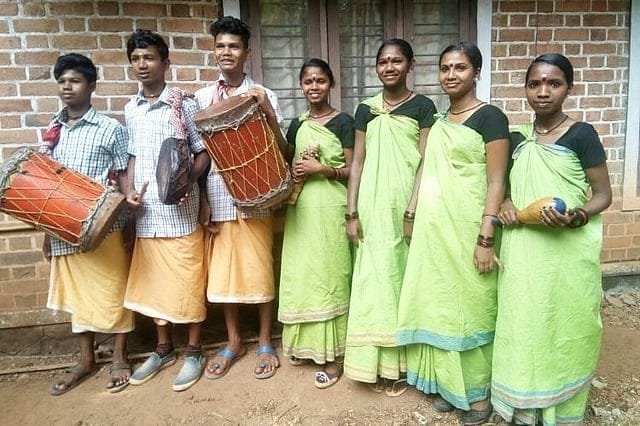
Wayanad, Kerala: The existence of Scheduled Tribe (ST) reserved Assembly constituencies in Kerala, particularly in Wayanad district, has sparked renewed debate over whether political reservation has translated into real empowerment for Adivasi communities.
The Sulthan Bathery Assembly constituency, one of the few seats reserved for Scheduled Tribes in the state, was created to ensure representation of tribal communities such as the Paniya, Kurichiya, Adiya, and Kuruma. Under India’s constitutional framework, only candidates belonging to Scheduled Tribes can contest elections from such constituencies.
However, activists and researchers argue that reservation has not necessarily ensured equal political influence.
Demographic Reality Limits Political Independence
According to local demographic patterns, Scheduled Tribes do not form the majority in the constituency. Non-tribal communities, including settlers and other social groups, make up a significant portion of the electorate.
This means ST candidates often rely heavily on non-tribal votes to secure electoral victory.
“As a result, elected representatives may face political limitations in strongly advocating for tribal-specific issues, especially land rights,” said a researcher working on tribal governance in Kerala.
Land Rights Remain a Core Concern
Land alienation continues to be one of the most pressing issues for Adivasi communities in Wayanad. Despite laws aimed at restoring alienated tribal land, implementation has remained slow and contested.
Several tribal organizations have repeatedly raised concerns over:
– Lack of land restoration
– Continued landlessness
– Poverty and marginalization
They argue that political reservation has not significantly changed these ground realities.
Representation vs Empowerment
Political observers note that while reservation ensures the presence of tribal representatives in legislative bodies, it does not automatically guarantee policy outcomes that benefit tribal communities.
“Political representation exists formally, but structural inequalities remain,” said a social analyst based in Kerala.
Kerala is often ranked high in human development indicators, but tribal communities in districts like Wayanad continue to lag behind in areas such as income, health, and education.
Continuing Debate
The issue highlights a broader national debate over the effectiveness of political reservation as a tool for empowerment.
While reserved constituencies have increased the numerical presence of Scheduled Tribe legislators, questions remain about their autonomy, influence, and ability to address long-standing tribal concerns.
As tribal rights movements continue across India, Wayanad remains a key example in discussions about the gap between constitutional provisions and ground-level realities.