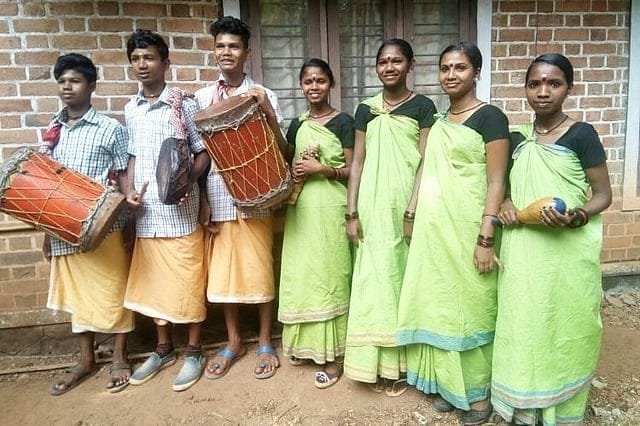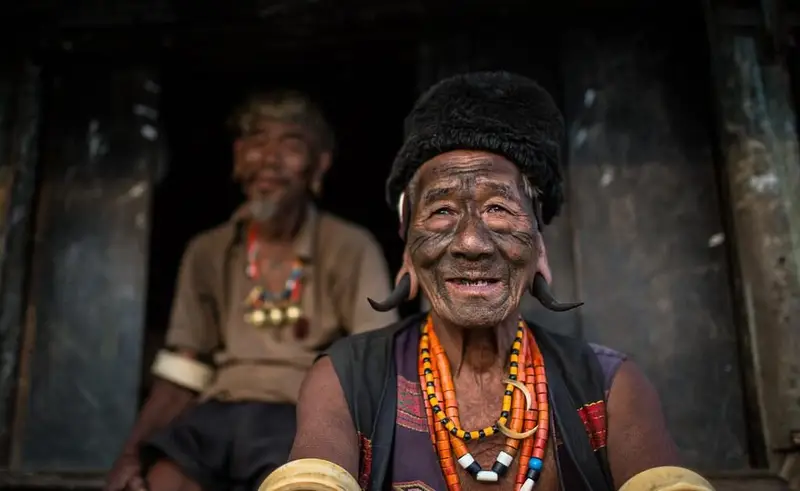






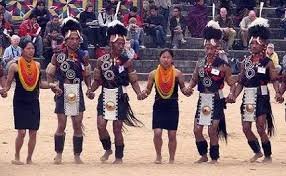
The Khiamniungan, one of the major Naga tribes inhabiting eastern Nagaland and north-western Myanmar, has drawn national attention in recent weeks due to a combination of cultural celebrations, traditional heritage displays, and renewed debates around India–Myanmar border policies.
Cultural Spotlight at Hornbill Festival 2025
At the ongoing Hornbill Festival in Kisama, the Khiamniungan community has emerged as one of the major attractions. Their performances, traditional attire, and folk expressions have been widely covered by media across the Northeast.
Their participation has brought renewed recognition to the tribe’s unique cultural traditions, including their warrior history, clan-based social structures, and distinctive craftsmanship. The festival has become a platform where younger generations showcase ancestral practices to a global audience.
Traditional Cliff-Honey Hunting Captures Attention
Another reason behind their recent prominence is the spotlight on their cliff-based honey-hunting tradition, a rare practice where honey collectors scale vertical rock faces to gather wild honey.
Government cultural platforms recently featured this tradition, highlighting both the skill and risk involved. For conservationists and anthropologists, this practice represents a vital link to ancient ecological knowledge and resource management.
Wins in Tribal Cuisine Competitions
The Khiamniungan tribe also made headlines by winning a Tribal Cuisine Competition at a recent cultural event, where their traditional dishes impressed judges for their authenticity, indigenous ingredients, and sustainable cooking methods.
This recognition has brought wider attention to the tribe’s culinary heritage, often overshadowed by more dominant Naga dishes in mainstream discourse.
Border-Fencing Concerns and Identity Issues
Beyond cultural celebrations, the Khiamniungan have also surfaced in news due to ongoing debates over the India–Myanmar border fencing and the potential discontinuation of the Free Movement Regime (FMR).
Since the tribe lives across both sides of the international border, many community organisations have expressed concern that fencing would:
disrupt cross-border family ties,
affect traditional trade routes,
divide ancestral lands, and
threaten cultural continuities built over centuries.
Tribal groups from the region argue that their identity predates modern borders and needs special protection under any new geopolitical arrangement.
Why Their Visibility Matters
The increased spotlight on the Khiamniungan tribe comes at a time when indigenous voices across India are demanding greater recognition for cultural autonomy, land protection, and livelihood rights.
For the Khiamniungan, this moment offers both an opportunity and a challenge: while festivals and media coverage highlight their heritage, the border issue raises questions about the future of their transnational way of life.
The recent attention on the Khiamniungan tribe reflects the complex intersection of culture, identity, tradition, and geopolitics in Northeast India.
Their story — from spectacular honey-hunting traditions to the strains of modern borders — exemplifies how indigenous communities hold on to ancient heritage while navigating contemporary challenges.