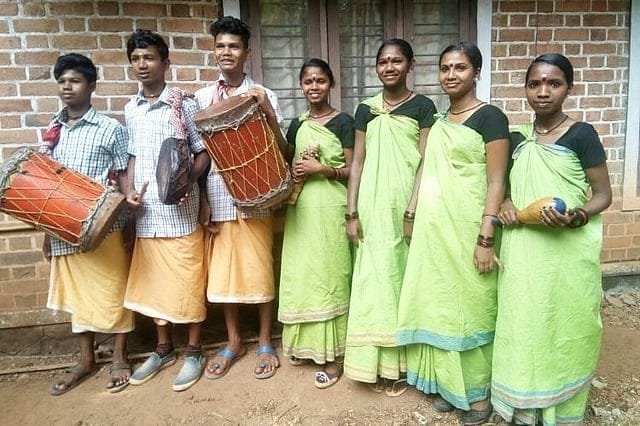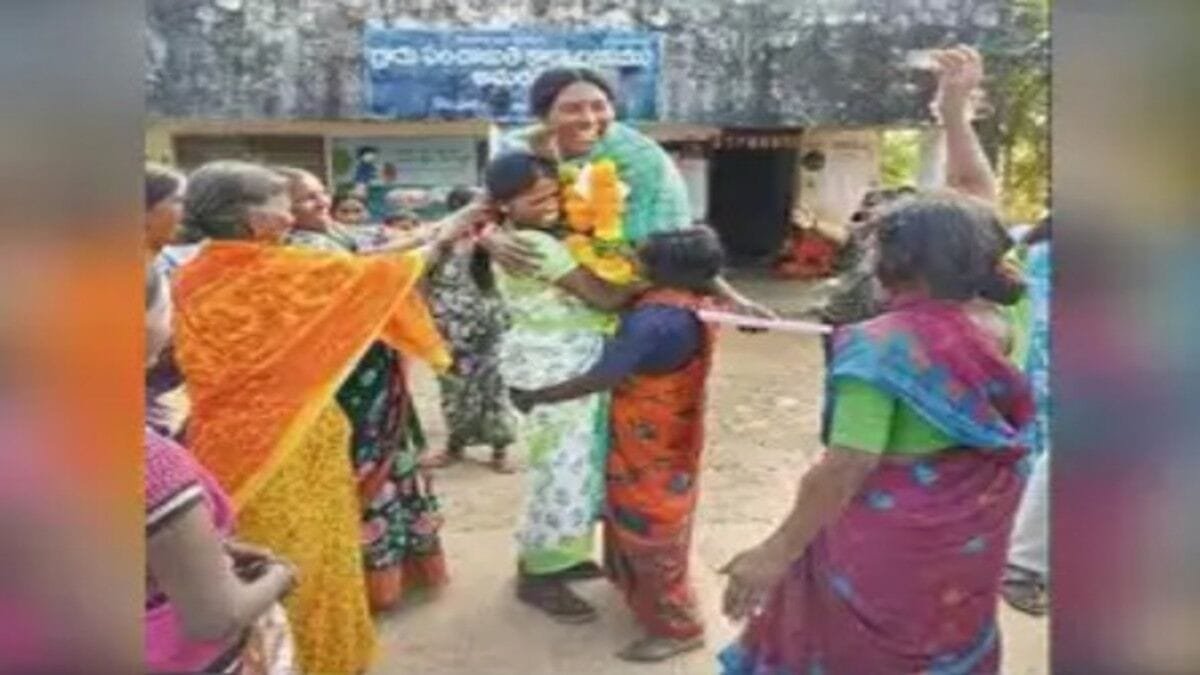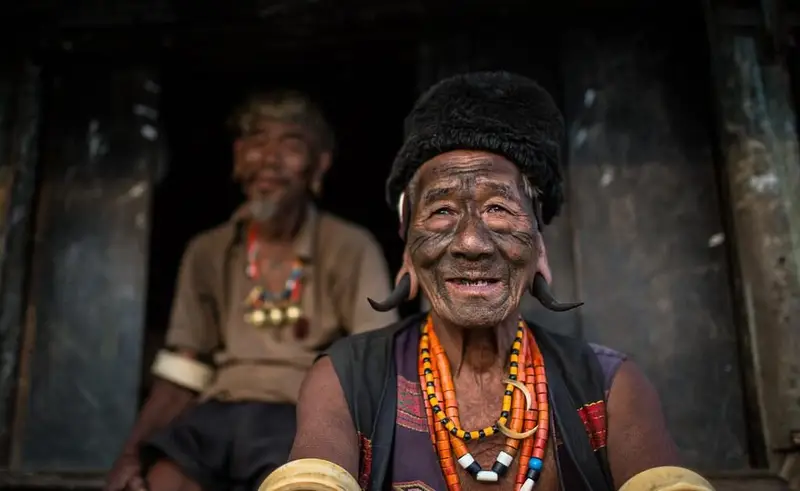


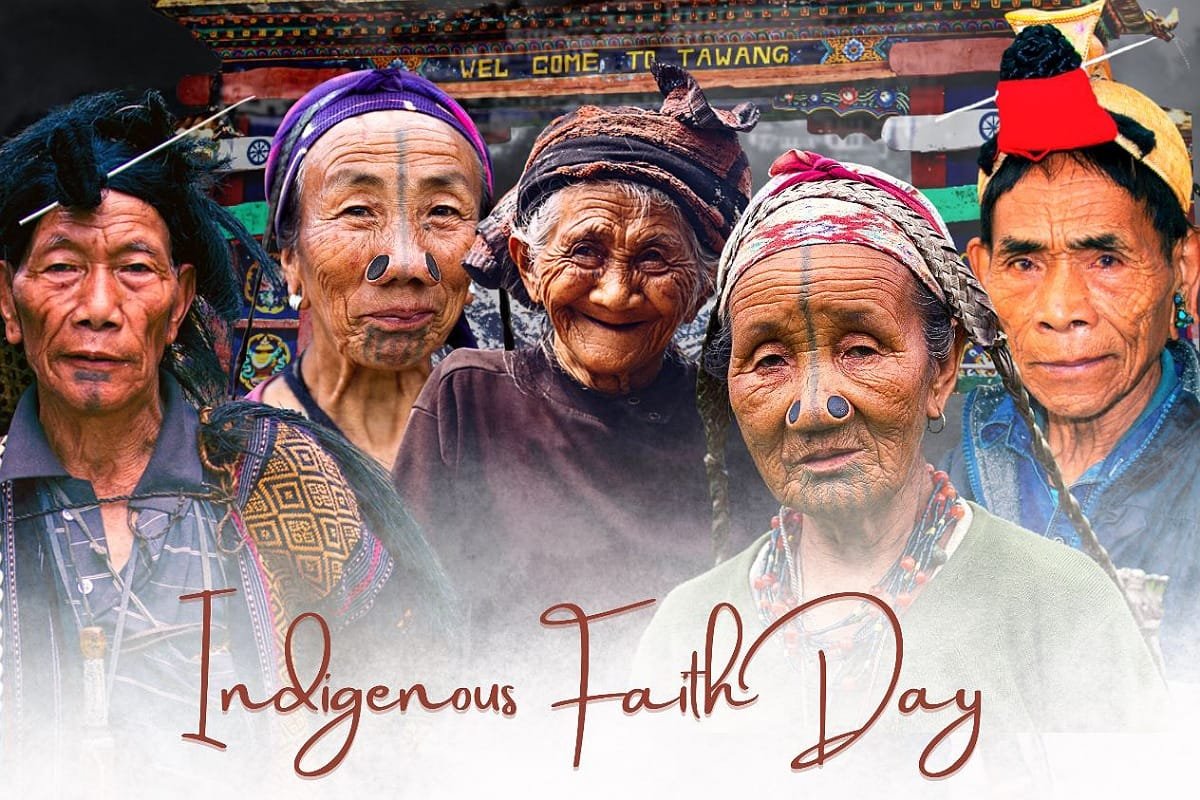
Across the world, indigenous peoples face rapid cultural erosion, religious suppression, and loss of traditional worldviews under the pressure of modernization, globalization, aggressive religious conversion, and state-driven assimilation. In India — home to more than 700 tribal communities — this crisis is especially visible in the North-East, Central, and Eastern regions.
Against this backdrop, Indigenous Faith Day, celebrated every year on 1st December in Arunachal Pradesh, has emerged as a major cultural, religious, and political event. It is more than an annual festival — it is a movement, a statement of survival, and a collective assertion that indigenous faiths matter, indigenous knowledge matters, and indigenous identities must not disappear.
This article explores what Indigenous Faith Day is, why it is celebrated, who started it, and why it matters not only for Arunachal Pradesh but for all Adivasi and Indigenous communities of India.
What Is Indigenous Faith Day?
Indigenous Faith Day is an annual observance dedicated to celebrating, preserving, and promoting the ancestral belief systems of the tribal communities of Arunachal Pradesh. These belief systems include the worship of nature, ancestors, sun, moon, rivers, mountains, forest spirits, local deities, and clan guardians, unique to each tribe.
Major indigenous religions in Arunachal include:
Donyi-Polo (reverence for the Sun–Moon)
Sedi, Keyum, Rangfraa, Nye-Nyeda, Surno, and other localized belief systems
Indigenous Faith Day recognizes these diverse traditions as legitimate religions in their own right — not as folklore, superstition, or remnants of the past.
Key features of Indigenous Faith Day:
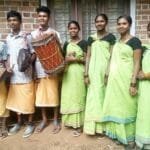
Massive cultural processions and rallies
Traditional dances, songs, and rituals
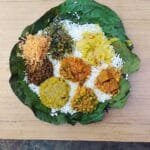
Community feasts
Public speeches on cultural preservation
Honouring individuals who promote indigenous heritage
Raising awareness about threats to native religions
For many tribal people, the day is a symbol of dignity, identity, continuity, and resistance to cultural erasure.
Why Is Indigenous Faith Day Celebrated?
Indigenous Faith Day is celebrated for multiple reasons, all deeply connected to identity, culture, history, and survival. These reasons can be grouped under four broad themes: cultural preservation, religious recognition, social unity, and resistance to erasure.
- Cultural Preservation: Saving Languages, Rituals, and Heritage
Indigenous communities often define their identity through:
oral traditions
myths
clan rituals
nature-based festivals
sacred landscapes
community-oriented ethics
However, these traditions face an existential threat. Younger generations move to cities, adopt global lifestyles, and gradually disconnect from their mother tongue and rituals. Many rituals are remembered only by elders; some have already vanished.
Indigenous Faith Day aims to bring back forgotten rituals, record cultural knowledge, and encourage younger people to reconnect with their roots.
It is a reminder that:
“A culture dies not when its people disappear, but when its memory is lost.”
- Religious Recognition and Assertion
Indigenous faiths in India have rarely been recognized as “religions” in official documents. They are often misclassified under broader categories like:
Hinduism
“Others”
Animism (a colonial term)
Primitive faith
Indigenous Faith Day challenges this categorization by asserting:
We are not offshoots of major religions.
We have our own cosmology, our own deities, our own philosophy.
We deserve recognition as independent religions.
This demand for recognition is tied to a global indigenous movement, where communities from the Amazon to Australia fight to protect their spiritual traditions.
- Resistance to Religious Conversion and Cultural Assimilation
One of the strongest political and social contexts behind Indigenous Faith Day is the impact of religious conversions in Arunachal Pradesh. For decades, Christian missionary activity has been substantial, leading to a large number of tribal people adopting Christianity.
For many indigenous activists, the issue is not Christianity itself, but the disappearance of native religions due to:
social pressure
identity shifting
rejection of native rituals as “pagan” or “sinful”
destruction or neglect of traditional worship spaces
Thus, Indigenous Faith Day becomes:
a statement of identity preservation
a barrier against cultural loss
a democratic assertion of freedom to follow ancestral religion
It is not an anti-Christian event — it is an anti-erasure event.
- Environmental Ethics and Indigenous Worldview
Indigenous faiths inherently emphasize:
reverence for land
respect for forests
ritual connection with water bodies
sustainable living
community ownership
protection of sacred groves and landscapes
In times of climate crisis, these values are increasingly recognized as crucial for environmental protection.
Indigenous Faith Day promotes this worldview, asserting that:
“Saving Indigenous culture is equal to saving the environment.”
- Strengthening Inter-Tribal Solidarity
Arunachal Pradesh has over 26 major tribes and 100+ sub-tribes, each with distinct customs. Traditionally, many tribes did not interact deeply or had minimal cultural exchange.
Indigenous Faith Day creates a common platform, bringing tribes together under the broader idea of “indigenous identity.” This unity strengthens:
cultural pride
political bargaining power
community solidarity
shared sense of belonging
The day helps tribes overcome fragmentation and see themselves as protectors of a shared heritage.
Who Started Indigenous Faith Day?
The celebration of Indigenous Faith Day was initiated by the Indigenous Faith and Cultural Society of Arunachal Pradesh (IFCSAP), an organization formed to protect and promote native tribal religions.
But the ideological roots lie earlier — in the indigenous revival movement led by Talon Rukbo, often called:
“The Father of the Indigenous Faith Movement in Arunachal Pradesh.”
Key Figures Behind Indigenous Faith Day
- Talon Rukbo (1937–2001)
Visionary reformer
Cultural activist
Founder of modern Donyi-Polo movement
Standardized prayers, hymns, and scriptures
Encouraged construction of Gangging (community prayer centres)
Promoted native language and rituals
United tribes under the idea of reviving indigenous identity
His birth anniversary, 1st December, is the date chosen for Indigenous Faith Day.
- IFCSAP and other Indigenous Bodies
Organizations like:
Indigenous Faith and Cultural Society of Arunachal Pradesh (IFCSAP)
Donyi-Polo Yelam Kebang (DPYK)
Rangfraa Faith Promotion Society
Various tribal cultural councils
have played central roles in institutionalizing Indigenous Faith Day.
Together, they transformed a cultural revival movement into a large-scale public festival with political importance.
How Indigenous Faith Day Is Celebrated
Indigenous Faith Day is marked by vibrant community events across Arunachal Pradesh:
- Processions and Rallies
Tribal groups walk together carrying:
Indigenous flags
Banners
Traditional ornaments
Colourful costumes
These rallies visually assert indigenous pride and unity.
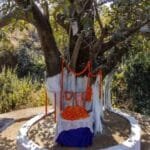
- Traditional Rituals and Prayers
Prayer meetings are held at:
Donyi-Polo Ganggings
Rangfraa shrines
Tribal community halls
Priests chant traditional hymns, perform rituals, and offer prayers to nature spirits and ancestors.
- Cultural Performances
Every tribe showcases its:
dances
music
storytelling
chants
folk traditions
This becomes a live museum of indigenous heritage.
- Recognition of Cultural Contributors
Leaders, elders, and activists who work to revive native traditions are honoured.
- Youth Engagement
Workshops and events encourage young people to learn:
folk songs
native scripts
oral histories
rituals
dances
This helps bridge the generational gap.
- Community Feasts
Community eating is not just food — it is a symbol of unity and collective identity.
Importance of Indigenous Faith Day in Today’s Context
Indigenous Faith Day has deeper implications beyond Arunachal Pradesh. It reflects the larger crisis faced by indigenous religions across India, including in Jharkhand, Odisha, Chhattisgarh, Meghalaya, and Nagaland.
Below are some broader dimensions of its significance.
- Religious Identity and Constitutional Rights
Indigenous tribes frequently struggle for official recognition of their religion. For example:
Sarna religion in Jharkhand
Koyapunem in central India
Doni-Polo in Arunachal
Heraka among the Zeme Nagas
Sanamahi in Manipur
Indigenous Faith Day brings national attention to the demand for distinct religious identity.
- Countering Cultural Criminalization
Many tribal rituals — animal sacrifice, spirit calling, ancestor worship, sacred grove rituals — are often labelled:
primitive
backward
superstitious
uncivilized
Such attitudes create cultural inferiority, social shame, and internalized rejection.
Indigenous Faith Day challenges this mindset by celebrating these rituals publicly and asserting that they are legitimate cultural practices with deep philosophical roots.
- Resistance to Organized Religious Pressure
Whether from Christianity, Hinduism, Islam, or any organized faith, tribal religions face pressure to assimilate. This leads to the disappearance of unique traditions.
Celebrating Indigenous Faith Day becomes a peaceful cultural resistance — a way of asserting:
“We respect all religions, but we will not abandon our own.”
- Empowering Indigenous Women
Many tribal faiths are matrilineal or matriarchal in spirit. Women play key roles as:
custodians of oral tradition
ritual performers
birth and fertility specialists
agricultural ritual leaders
Indigenous Faith Day gives visibility to women’s cultural leadership.
- Ecological Wisdom and Climate Change
Indigenous religions teach:
Sacredness of rivers
Protection of forests
Collective land ethics
Ritual respect for animals
Seasons-based farming
Today, environmentalists worldwide acknowledge indigenous knowledge as essential to combating climate crisis.
Indigenous Faith Day strengthens this ecological consciousness.
Challenges Faced by the Indigenous Faith Movement
Despite its positive momentum, the indigenous faith movement faces several challenges:
- Rapid Urbanization and Migration
Younger generations leaving villages results in cultural disconnect.
- Religious Conversions
Conversions — voluntary or pressure-induced — reduce the number of practitioners of native faiths.
- Language Decline
Languages are the carriers of traditions. When a language dies, the religion dies with it.
- Lack of Institutional Support
Most indigenous religions do not have:
official recognition
government funding
trained scholars
religious schools
archiving infrastructure
- Internal Diversity
Different tribes have different rituals; creating a unified platform is complex.
- Modern Aspirations vs Traditional Identity
Many young tribal people feel ashamed of traditional rituals or see them as incompatible with modern life.
Why Indigenous Faith Day Matters Beyond Arunachal Pradesh
For tribal communities everywhere — especially in Jharkhand, Chhattisgarh, Odisha, and North-East — Indigenous Faith Day offers a model for:
cultural revival
political assertion
religious identity recognition
academic documentation
youth cultural education
environmental ethics
Your ongoing research on criminalization of Adivasi religion, religious demonization, and cultural identity can draw valuable parallels from this movement.
Indigenous Faith Day is not merely a festival — it is a movement of memory, identity, resistance, and cultural survival. It celebrates the rich tapestry of indigenous worldviews that see nature as sacred, ancestors as guides, and community as the heart of life.
In a world rapidly losing its cultural diversity, Indigenous Faith Day reminds us:
Indigenous religions are living traditions.
They carry environmental wisdom humanity desperately needs.
They are not relics of the past but pathways to a sustainable future.
Their survival is essential to the survival of cultural plurality in India.
The day stands as a powerful declaration:
“We belong to this land, and this land belongs to us. Our roots matter, our faith matters, our ancestors matter.”